STOP THE SLOP: The Reality of Using AI-Generated Images and Videos for Social Media and Digital Advertising
Marketers seem to love AI. It has streamlined their workflow, helped generate ideas, and even made creating content easier. But there seems to be a disconnect between the marketers' admiration for this technology and the consumers' disdain for it. While 82% of marketers think consumers will benefit from AI in marketing, only 42% of consumers feel the same.
We get it, using AI is easy, cheap (or free), and looks pretty good! Small business owners have always been resourceful in finding ways to cut costs. But this is not the time to fire your photographer and designer and use ChatGPT to create images for your social media and digital advertising.
Stats About AI in Marketing
50% of consumers prefer brands that don’t use generative AI in Marketing Material
80% of consumers are at least somewhat concerned about AI taking Americans’ jobs
36% of Americans are less likely to purchase from a company using AI in advertising
72% of Americans are at least somewhat concerned about the Environmental Impacts of AI
Why Consumers Hate AI
Inauthenticity
Using AI images in your marketing means that what you are sharing is not real. If you look at any marketing report from the last 10 years, it will tell you that people will buy from brands that are authentic. AI-generated content is the easiest way for consumers to flag your company as fake.
Stealing From Artists
It was not created directly by anyone. There is not one photographer, painter, designer, videographer, or cartoonist who can be attributed. Instead, it’s an amalgamation of lots of work from real artists. These AI models are being trained on those images without proper licensing, let alone credit.
Environmental Concerns
It is well known that AI uses massive amounts of energy and water to keep its data centers running. Some estimates say that global energy demand will quadruple by 2030 due to AI. AI-generated images generate 6,000 times more carbon dioxide than AI-generated text. That same article says that a mid-sized data center can consume 300,000 gallons of water per day. Consumers are paying the price for that power as well, with residential energy prices rising quickly and outpacing inflation, largely due to increased energy demand from data centers.
Violation of Trust
Audiences who recognize an AI-generated post typically feel deceived. When everyone feels like they are being lied to, being a trusted source can go a long way toward building a long-term relationship with your customers.
Consumers can tell when you are using AI-Generated Images
There are the obvious mistakes that AI makes, like a person with 6 fingers. AI is getting better and better, and those mistakes are becoming harder to recognize. AI-generated images have a certain vibe. And once you notice it, you see it everywhere. Realistic-looking generated images have a sheen, almost as if they are from a video game. Images of landscapes are typically overly busy. Cartoons and drawn images all look similar, too. Flyers seem to be the worst offenders if you are trying to stand out. Here are some examples:
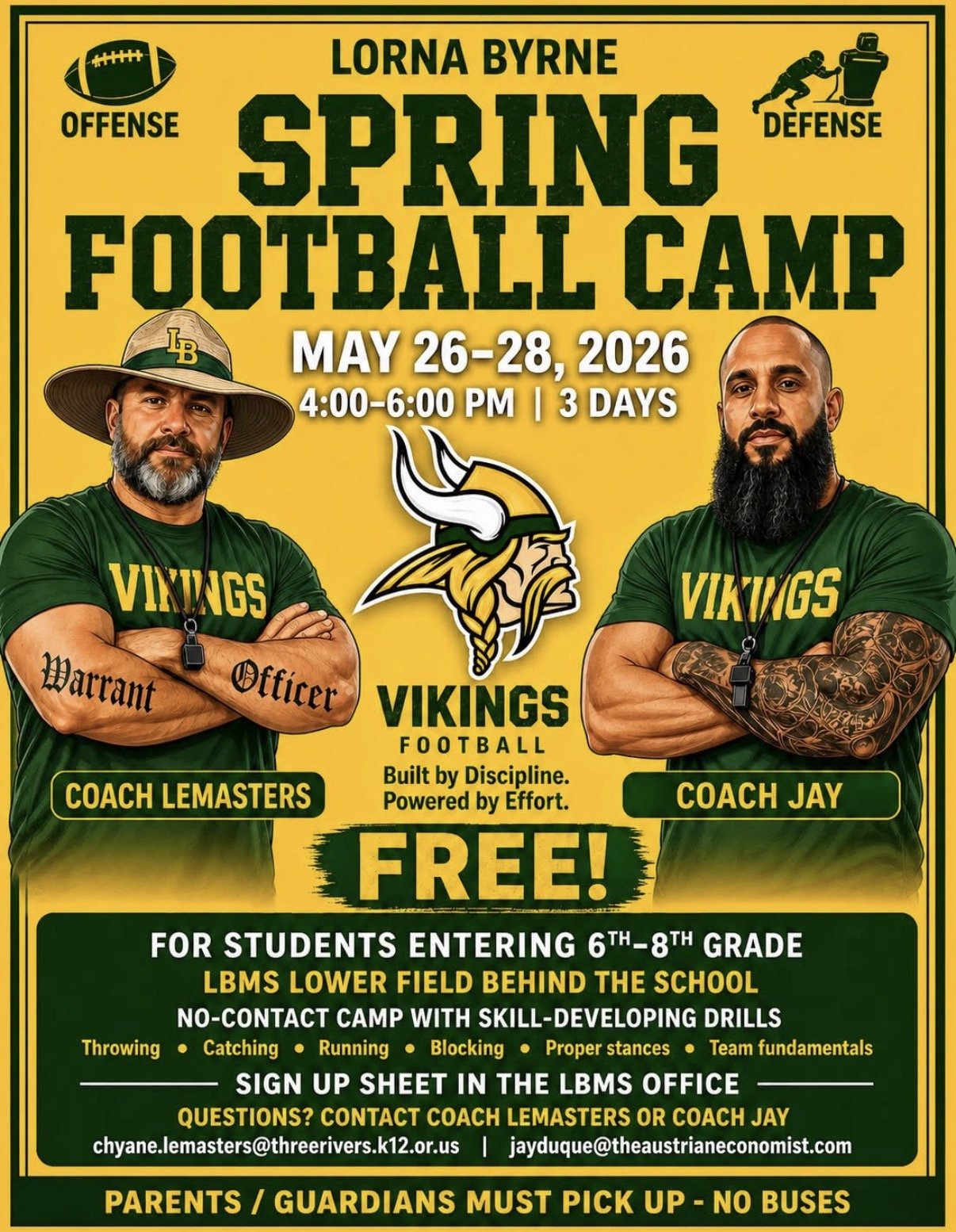
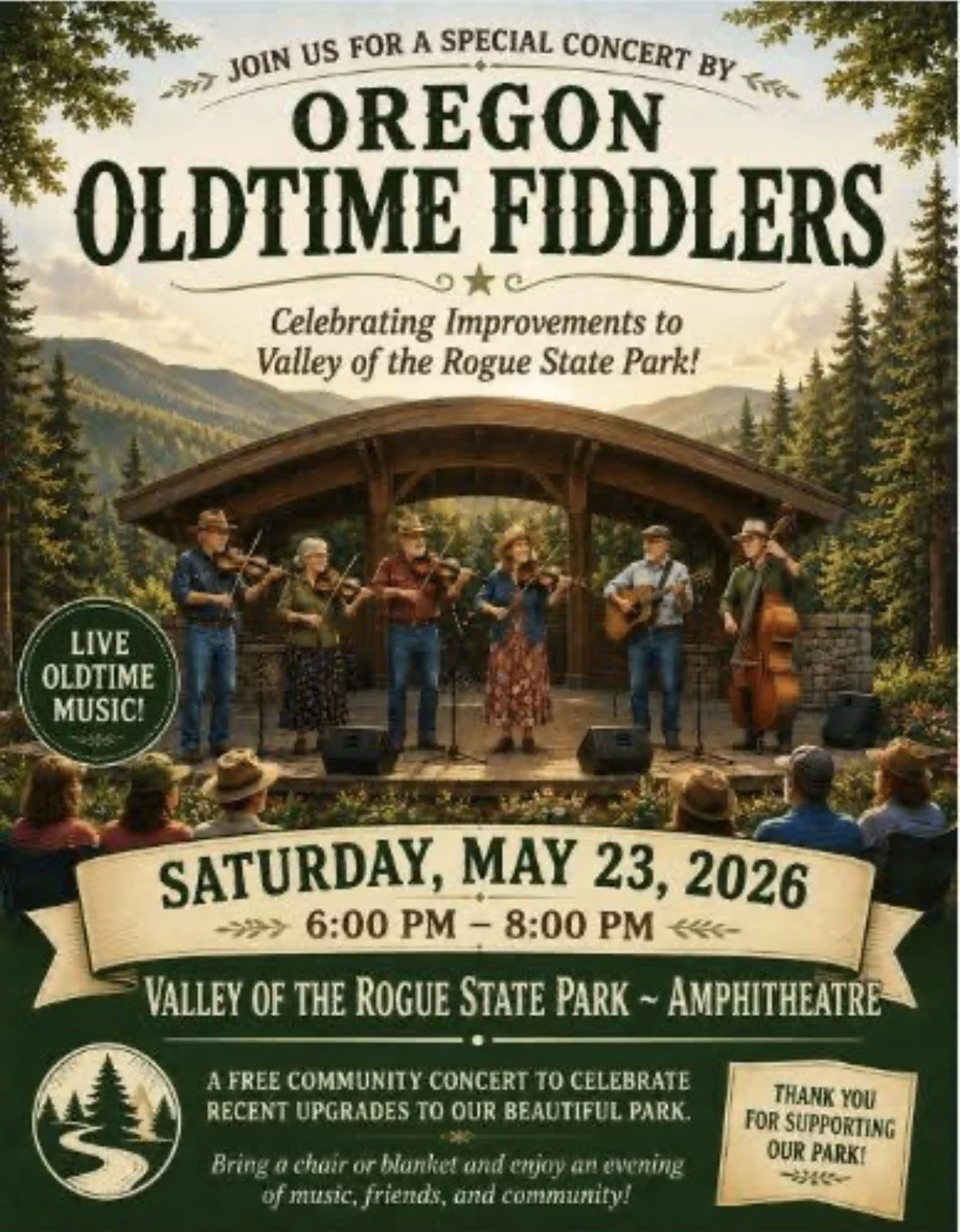
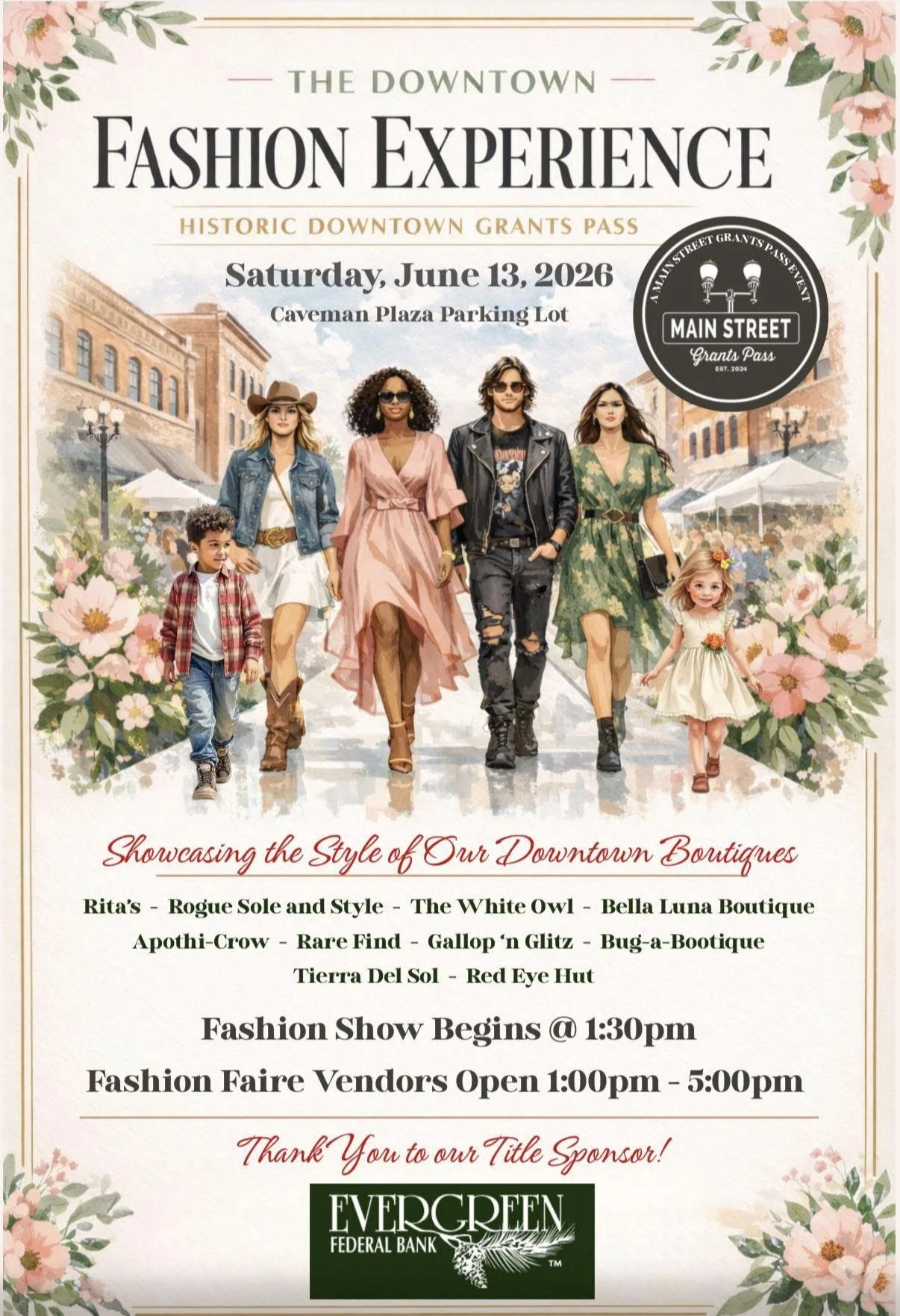
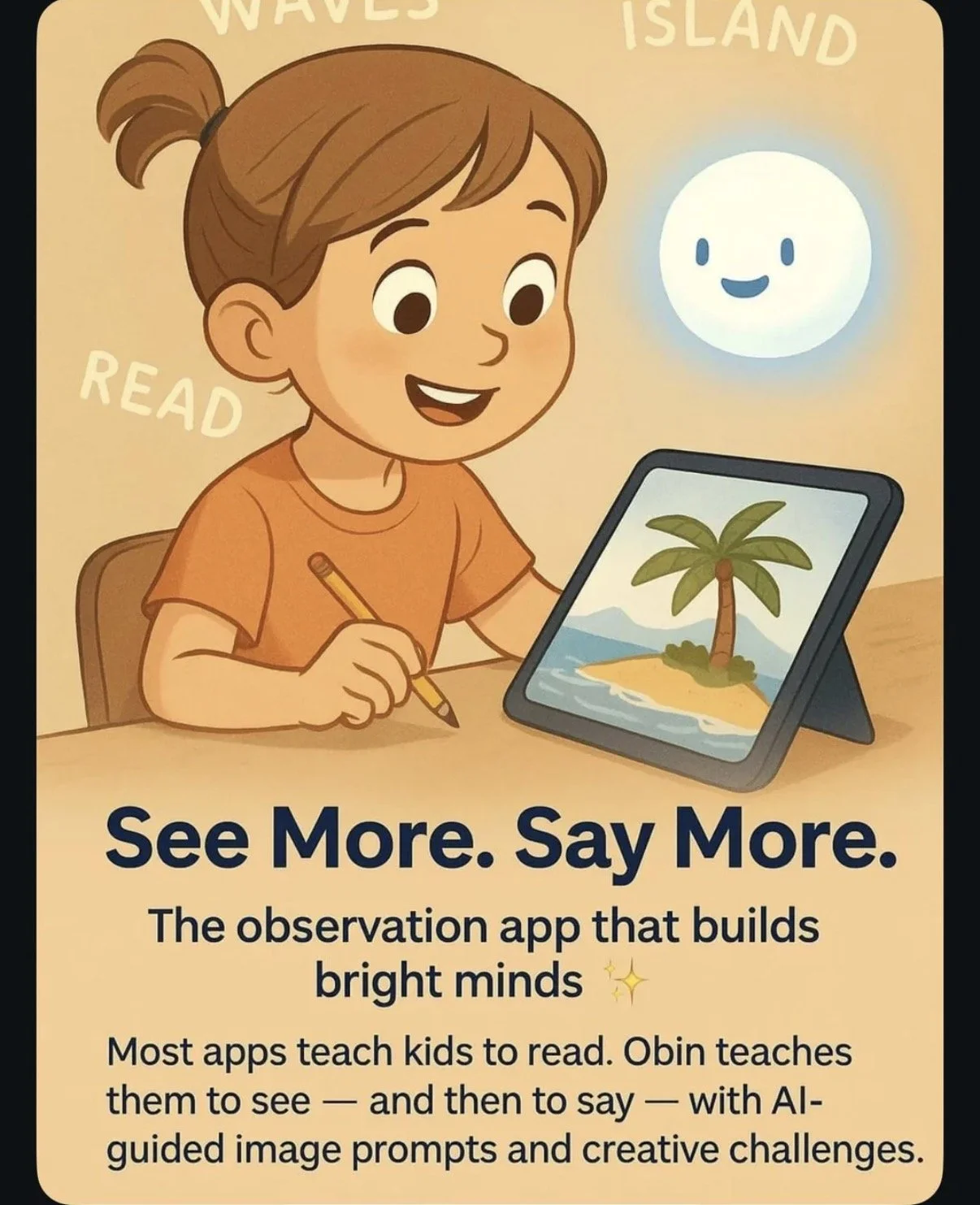
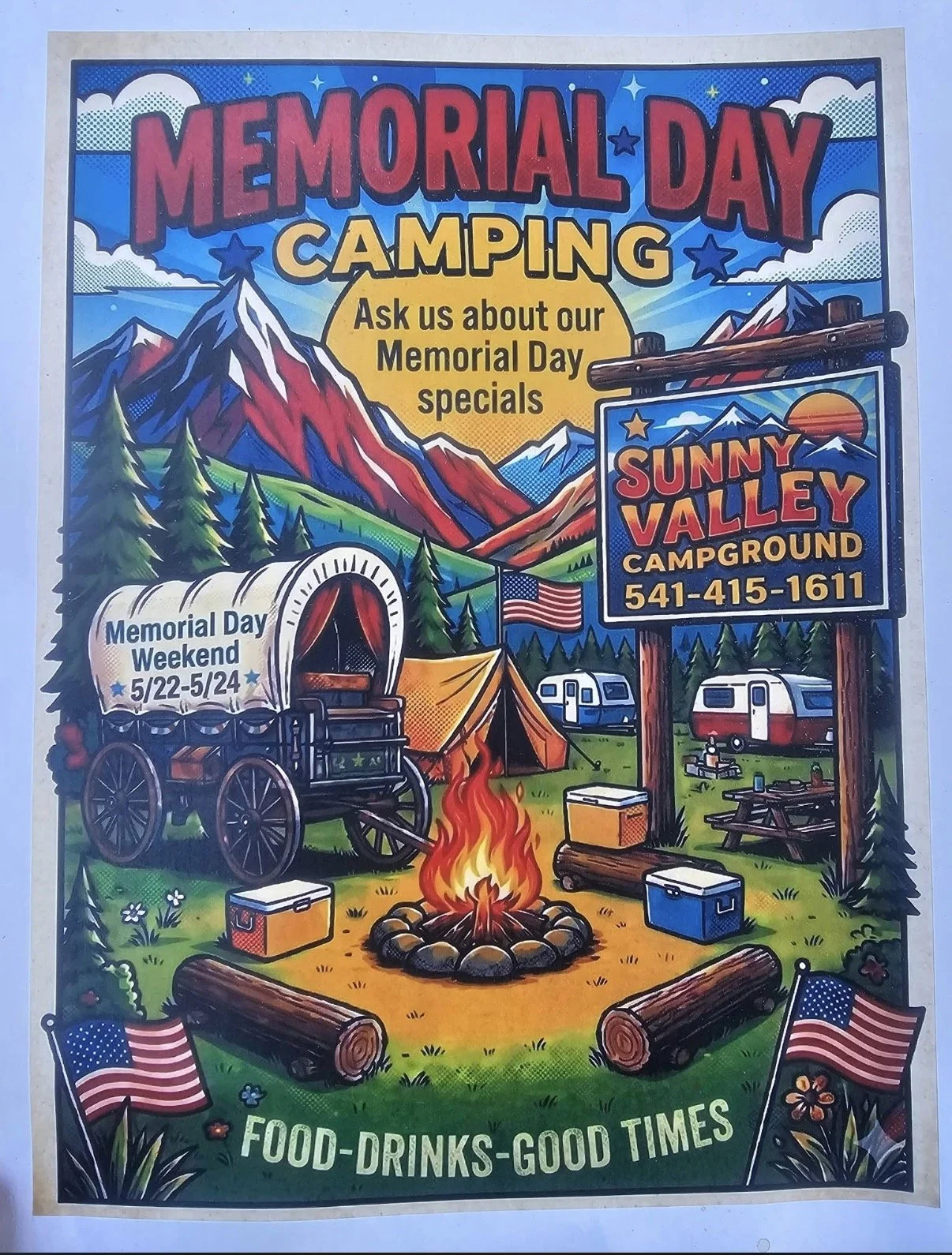
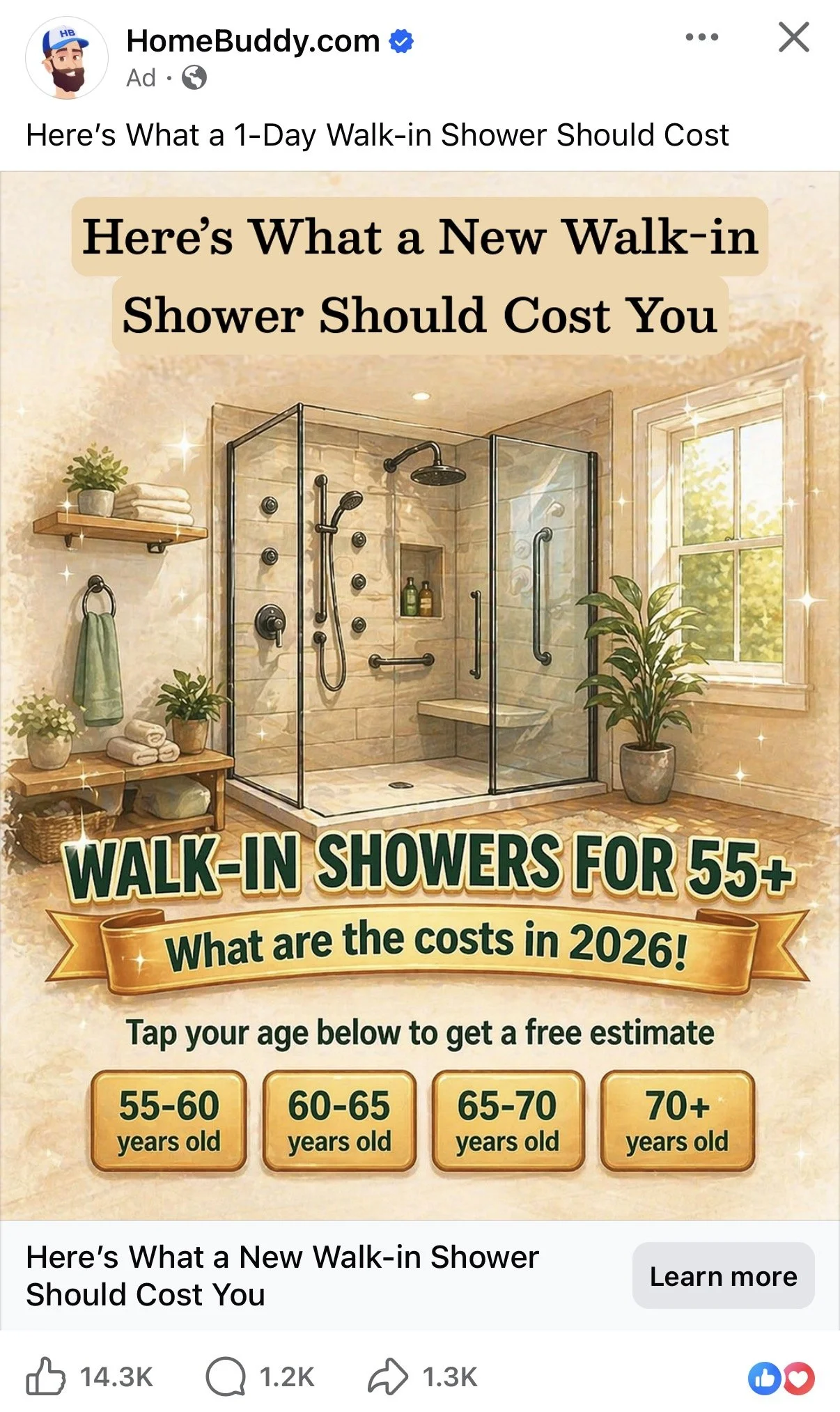
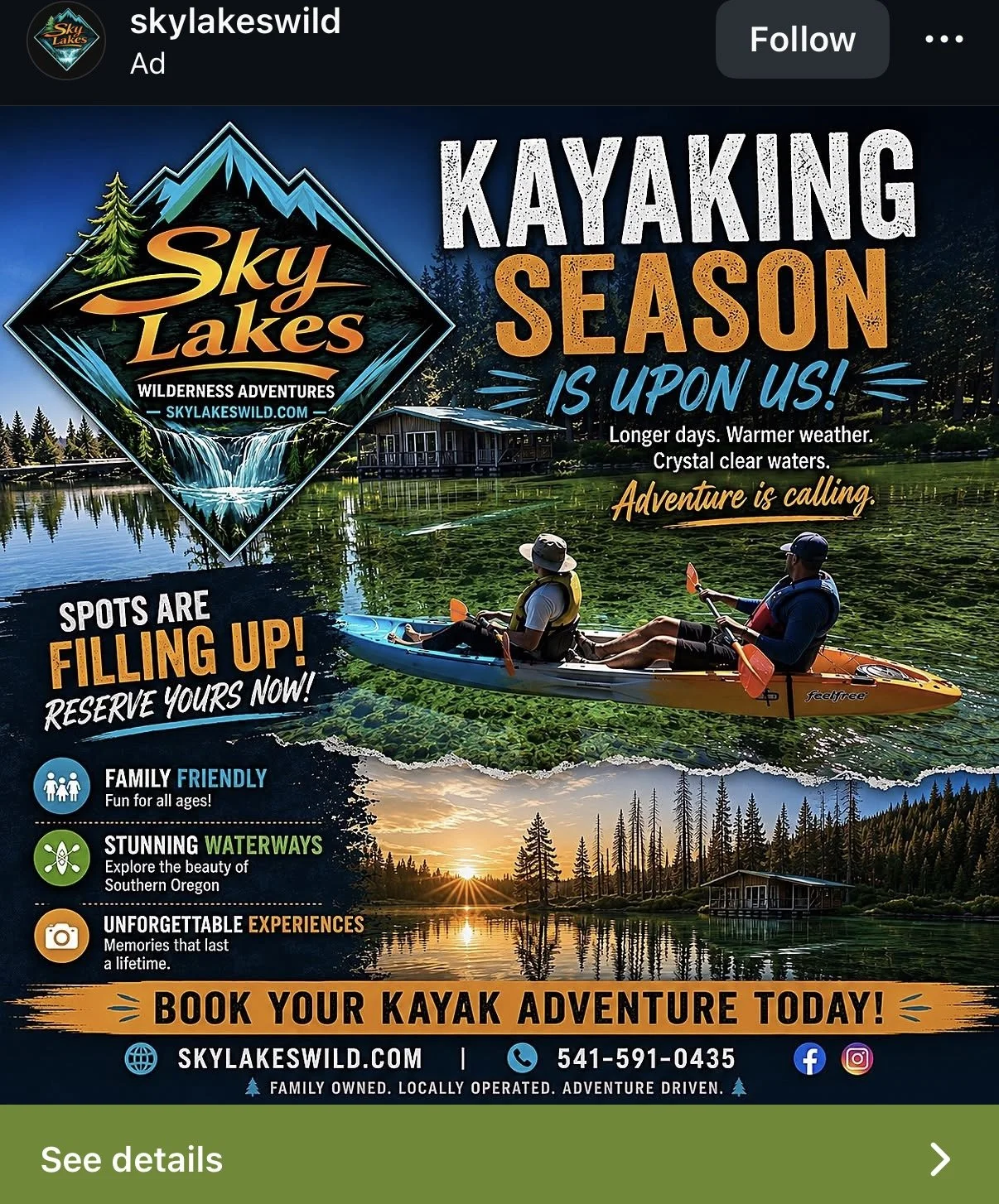
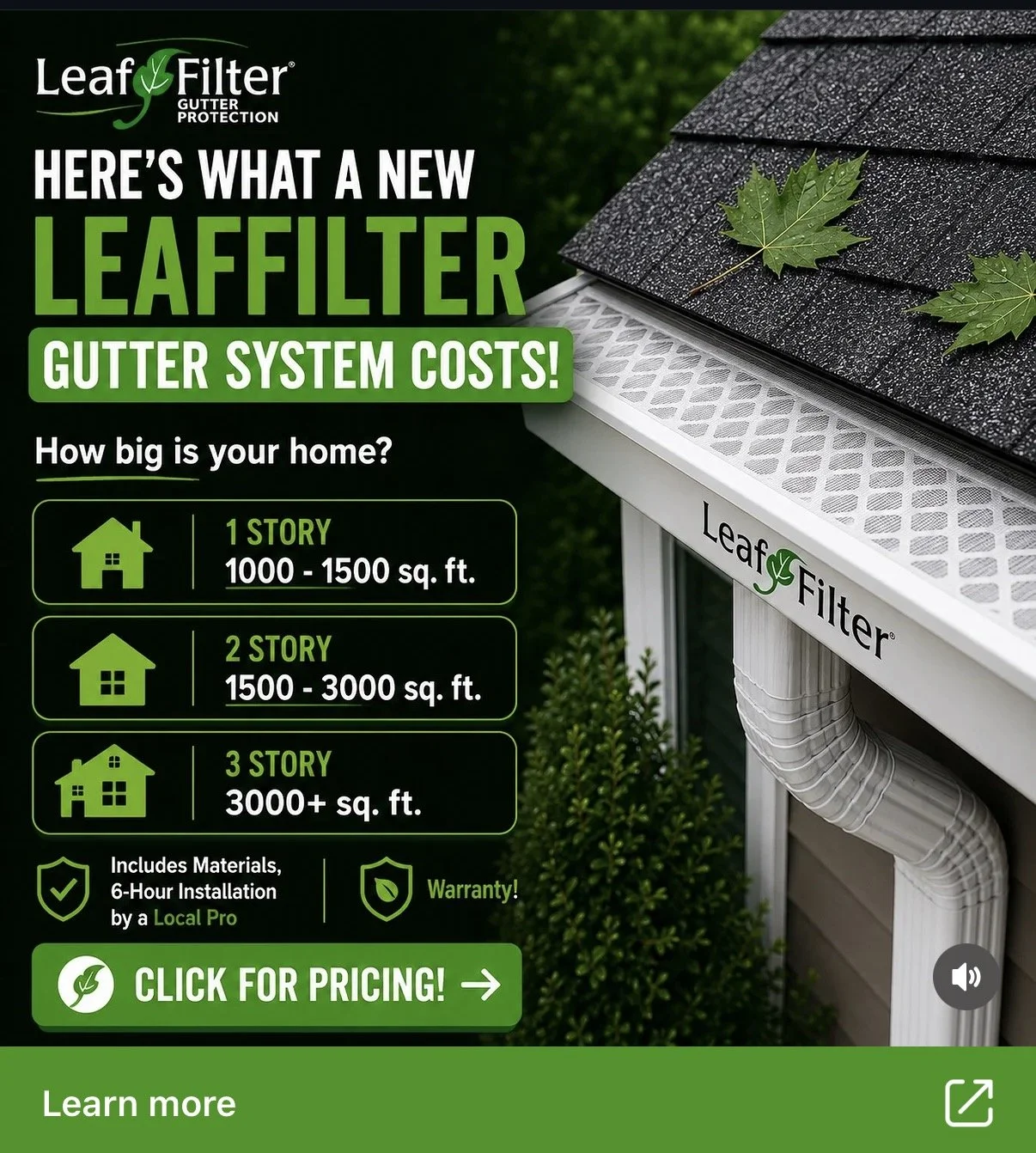
Please note: We did not generate these. These images were all taken from our social media feeds in a few minutes.
It's not necessarily about these designs looking “bad”, but more about how they all look the same. Every marketer knows that being similar to your competitors is a death sentence. Using AI-generated images is like when everyone and their mother was using the same Canva templates.
If you look at the comment section of almost every AI-generated image posted online, you will almost certainly see people complaining about its use.
How to Create a Genuine Connection With Your Audience
Take photos yourself, learn to create digital designs, or hire real people to help you out. If you have already been using AI-generated images in your marketing, stop immediately; it's costing you customers. Your brand shouldn’t feel lifeless. It may be messy, but never sloppy.